
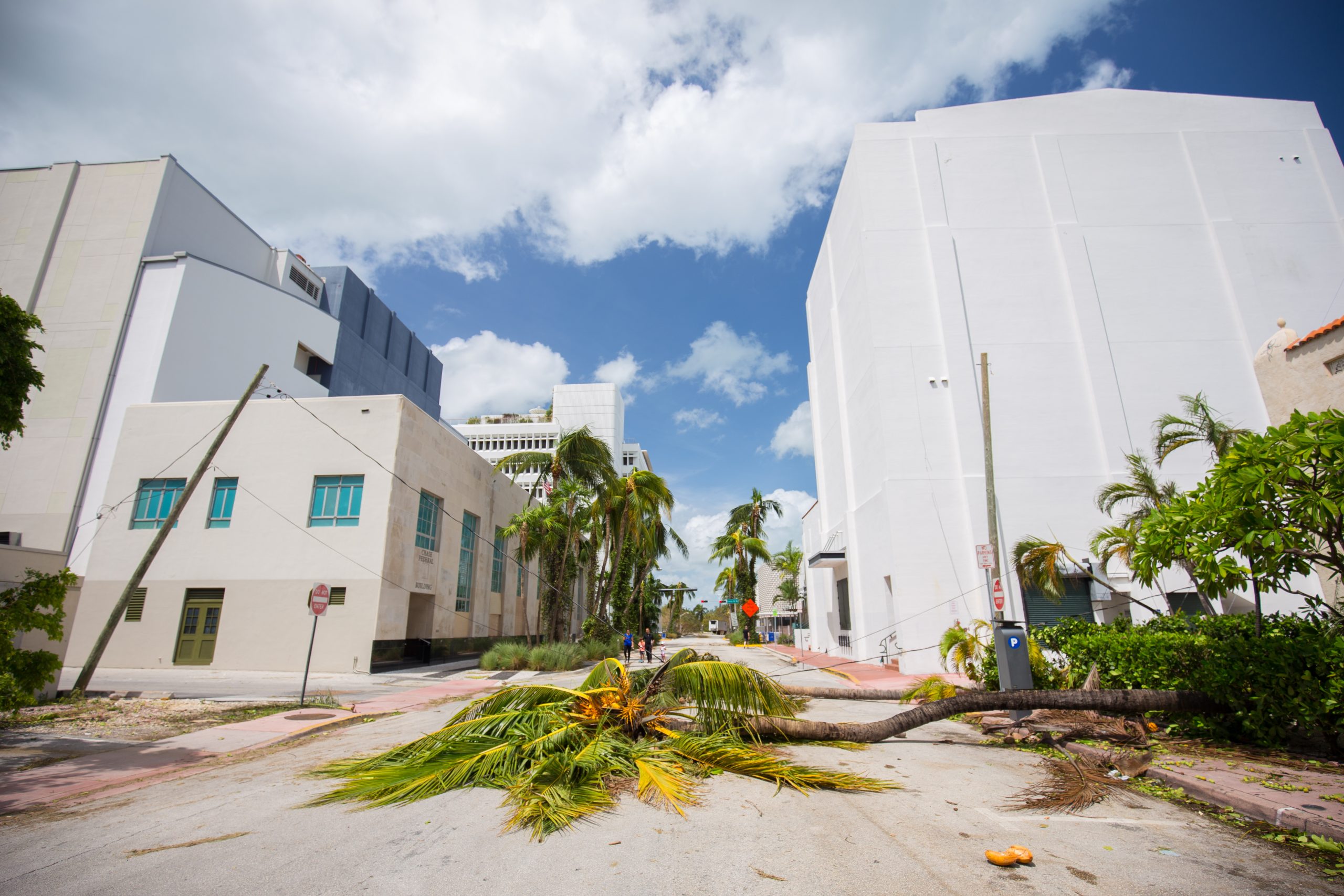
When a Storm Hits, the Clock Starts Immediately
Managing a portfolio of locations along or near a hurricane corridor is a calculated risk. Most seasons, the exposure stays theoretical. But when a major storm makes landfall near your facilities, the operational consequences can be severe, and how quickly your brand recovers depends almost entirely on what you had in place before the storm arrived.
NOAA data puts the average cost of a hurricane event at $23 billion, with tropical cyclones responsible for more than $1.5 trillion in total damage since 1980. For multi-location brands, the exposure isn’t abstract: every day a location stays dark is lost revenue, lost customer trust, and a recovery timeline that grows longer the more disorganized the response. Hurricane disaster recovery services are essential in this response.
If your business has locations in hurricane-prone markets, don’t wait for landfall to build your recovery plan. Talk to the Stratus team now.
The First 72 Hours Determine How Long Recovery Takes
The window immediately before and after a hurricane makes landfall is where recovery outcomes are set. Brands with an established disaster recovery partner benefit from storm monitoring that begins tracking potential threats days in advance, not after the fact.
That means field teams can be pre-positioned in target zones before conditions deteriorate, enabling site access as soon as it’s safe. Locations in the storm’s path get a damage survey and repair estimate faster than businesses scrambling to find available contractors in an already-strained market. The difference between a 24-hour response and a week-long wait comes down to preparation.
What Hurricane Disaster Recovery Services Actually Cover
There’s a common assumption that post-hurricane recovery is primarily about cleanup. In reality, the scope for a multi-location brand is considerably broader.
Effective hurricane disaster recovery services encompass the full range of physical damage a commercial facility can sustain. That includes structural assessment and emergency boarding, water intrusion mitigation, interior damage remediation, and exterior signage repair and replacement, which is a critical priority for any brand-identified property.
Exterior signage assets take some of the heaviest damage in high-wind events. Pylon signs, monument signs, channel letters, canopy structures, and cabinet signs are all vulnerable to wind shear, flying debris, and flooding. Restoring them goes beyond aesthetics; damaged or missing signage affects customer-facing operations, wayfinding, and brand presentation at the moment customers most need to know a location is open and operational.
A recovery partner with in-house manufacturing capabilities can move significantly faster on signage replacement than one relying on external fabrication. When multiple locations are affected simultaneously, that internal capacity becomes a real competitive advantage in shortening the overall recovery timeline.
The Partner Relationship Has to Exist Before the Storm
Post-hurricane, every qualified contractor within range of the affected zone is already fielding calls. Brands without a pre-established recovery relationship join a queue. Those with one skip it.
A nationwide field partner network with assigned regional coverage means that when a storm makes landfall, the right crews are already designated to the right locations, not being sourced and vetted in real time. For brands with dozens or hundreds of locations spread across a hurricane corridor, that pre-assignment is the difference between a coordinated response and an uncoordinated scramble.
This is the core argument for treating hurricane disaster recovery as a program rather than a reactive measure: the infrastructure that enables a fast response has to be built before it’s needed.
Keeping Locations Running During Restoration
Not every storm-affected location has to go completely dark during recovery. For facilities with contained or moderate damage, phased operations during restoration are often achievable and strategically valuable.
Keeping even a portion of a location open serves customers who are themselves navigating post-storm disruption. It communicates stability and operational resilience at a time when competitors may be fully offline. And it protects revenue that would otherwise be lost entirely during a weeks-long recovery.
Effective recovery management includes making that assessment quickly: determining what’s safe to operate, what needs to be staged or sectioned off, and how to maintain brand presentation in a partially-restored environment.
A Faster Return to Full Operations Starts Now
Hurricane season typically runs June through November. The brands that recover fastest are the ones that had a recovery program in place before the season started.
Stratus brings decades of experience, a network of 4,000+ field partners across all 50 states, in-house signage manufacturing, and a dedicated disaster monitoring and response team to every recovery engagement. From initial damage assessment through final brand restoration, the goal is the same: get your locations back to full operation as fast as possible.
Ready to get a recovery program in place before storm season peaks? Connect with the Stratus team.