
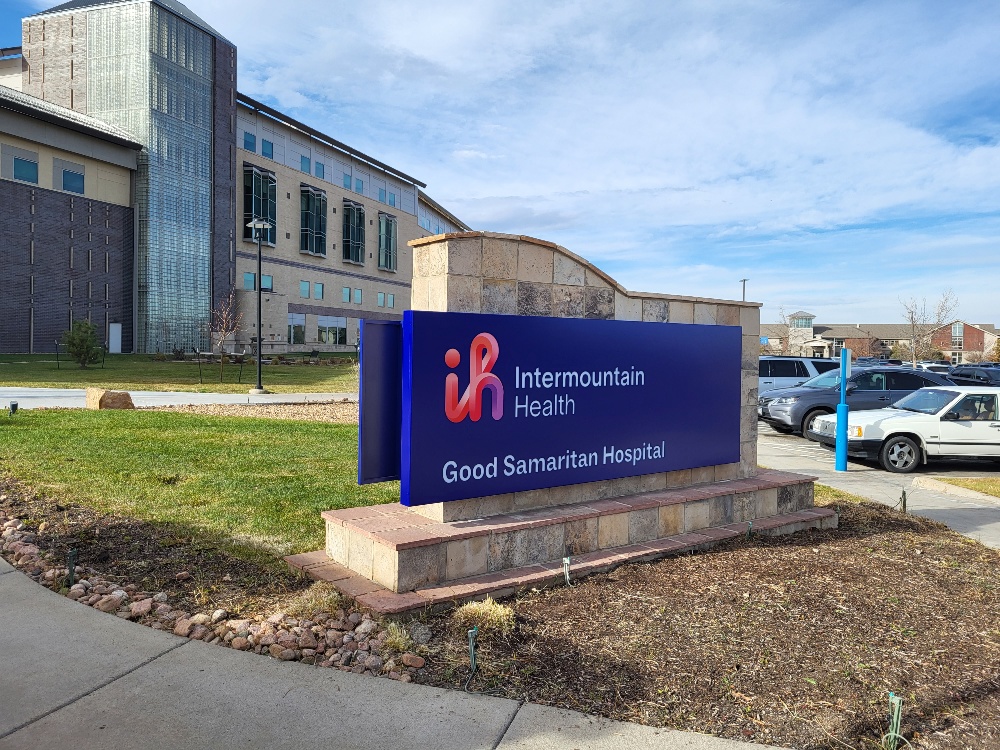
A Delayed Sign Isn’t Just a Scheduling Problem
A new hospital pavilion opens on schedule. Construction finished on time, staff are in place, and patients are being seen. But the exterior signage is still pending permit approval. Monument signs at the entrance aren’t up. Emergency department identification isn’t visible from the access road. Directional signage guiding patients from the parking structure to the main entrance is still weeks away.
For most industries, a permit delay means a sign goes up late. In healthcare, it means patients arriving at a new or recently updated facility can’t find where they need to go. That’s a different category of problem, and one that affects patient experience, operational continuity, and in some cases, emergency access. Healthcare facility signage permitting deserves to be treated accordingly. Let’s take a closer look.
Facing a signage permitting challenge at your facility? Connect with our team to talk through your program.
Why Healthcare Facility Signage Faces a Harder Permitting Environment
Most commercial signage projects navigate one primary regulatory pathway: local municipal permitting. Healthcare facilities sit at the intersection of several. Municipal planning departments, state health facility licensing boards, ADA compliance requirements, and emergency access regulations can all have a stake in a single exterior signage project. Each has its own documentation requirements, review timelines, and approval criteria.
Beyond the number of agencies involved, healthcare facilities often occupy complex physical environments with multi-building campuses, facilities on or adjacent to regulated zones, or properties with shared access roads or public rights-of-way. These site conditions create variance requirements and additional review layers that a standard commercial sign permit wouldn’t trigger.
As we’ve covered in our guide to planning and implementing exterior signage at hospitals, documenting existing permit histories and identifying variance requirements early in the planning process is essential, but it’s only the starting point. The permitting environment for healthcare is complex enough that early documentation alone won’t prevent delays if the team handling permits doesn’t understand the specific frameworks healthcare facilities operate under.
What’s Actually at Stake When Approvals Stall
A permit delay in a retail context costs time and creates a brand gap. A permit delay in healthcare creates something more consequential. Patients arriving at a facility in an unfamiliar area rely on exterior signage to orient themselves before they ever walk through a door. Monument signs identify campuses. Entrance markers direct patients to the correct building. Emergency department identification needs to be visible from the road, at night, under stress.
When those elements are absent or incomplete because permits haven’t cleared, the facility is open but not fully functional from a patient navigation standpoint. Staff field more directional questions. Late arrivals increase. For patients already anxious about a medical visit, the added friction matters. And for a facility that has invested significantly in a new building or brand refresh, it’s a poor first impression at exactly the moment a strong one is most important.
This is the patient experience cost of treating permitting as a back-end task rather than a front-end program component.
The Difference Between Reactive and Proactive Permitting
Most healthcare facility signage permitting delays are predictable. They stem from incomplete documentation submitted to the wrong agency, unfamiliarity with local healthcare zoning codes, missed variance requirements, or applications that hit review queues without pre-submission relationships to expedite them. None of these are surprises to a team that has worked through healthcare facility permitting before.
Proactive permitting means beginning the regulatory assessment at program kickoff, not after signage designs are finalized. It means identifying which agencies have jurisdiction before applications are submitted, preparing documentation that anticipates review criteria, and filing with enough lead time to absorb the natural variance in municipal and state review timelines. For multi-facility healthcare systems, it means managing simultaneous permit applications across multiple jurisdictions without allowing one slow market to bottleneck the broader program.
The project management discipline required to do this well is substantial. As our overview of signage project management for large-scale rollouts notes, permit approval timelines vary widely by jurisdiction — some require weeks, others months — and programs that don’t build that variance into their schedules will absorb delays that were entirely avoidable.
What Healthcare-Specific Permitting Expertise Looks Like in Practice
General permitting knowledge applied to a healthcare project will get you partway there. The last mile requires familiarity with the regulatory frameworks specific to healthcare facilities and relationships with the agencies that govern them.
Stratus’s permitting specialists maintain established relationships with local and state authorities across all 50 states. For healthcare clients specifically, that means understanding where healthcare facility licensing boards intersect with municipal sign ordinances, knowing which jurisdictions require pre-submission reviews, and having the documentation infrastructure to manage simultaneous permit applications across a multi-location system without losing coordination.
That expertise connects directly to the exterior signage work Stratus delivers for healthcare organizations. A permit that clears on schedule is only valuable if the signage behind it is manufactured, delivered, and installed to match. Program management, fabrication, permitting, and installation operating under one roof means no handoff failures between the team pulling permits and the team hanging signs.
Permitting Is Part of the Program, Not a Footnote to It
Healthcare facility signage permitting delays aren’t inevitable. They’re the predictable result of treating an up-front program requirement as a back-end logistics item. For facilities where signage directly affects how patients find care, that sequencing error has real consequences.
Building permitting into the program from day one, with healthcare-specific expertise behind it, is how those consequences get avoided entirely.
Managing a healthcare facility signage program? Talk to our team about building a permitting strategy that keeps your project on schedule.