
Strengthen Patient Care Through Strategic Healthcare Asset Management
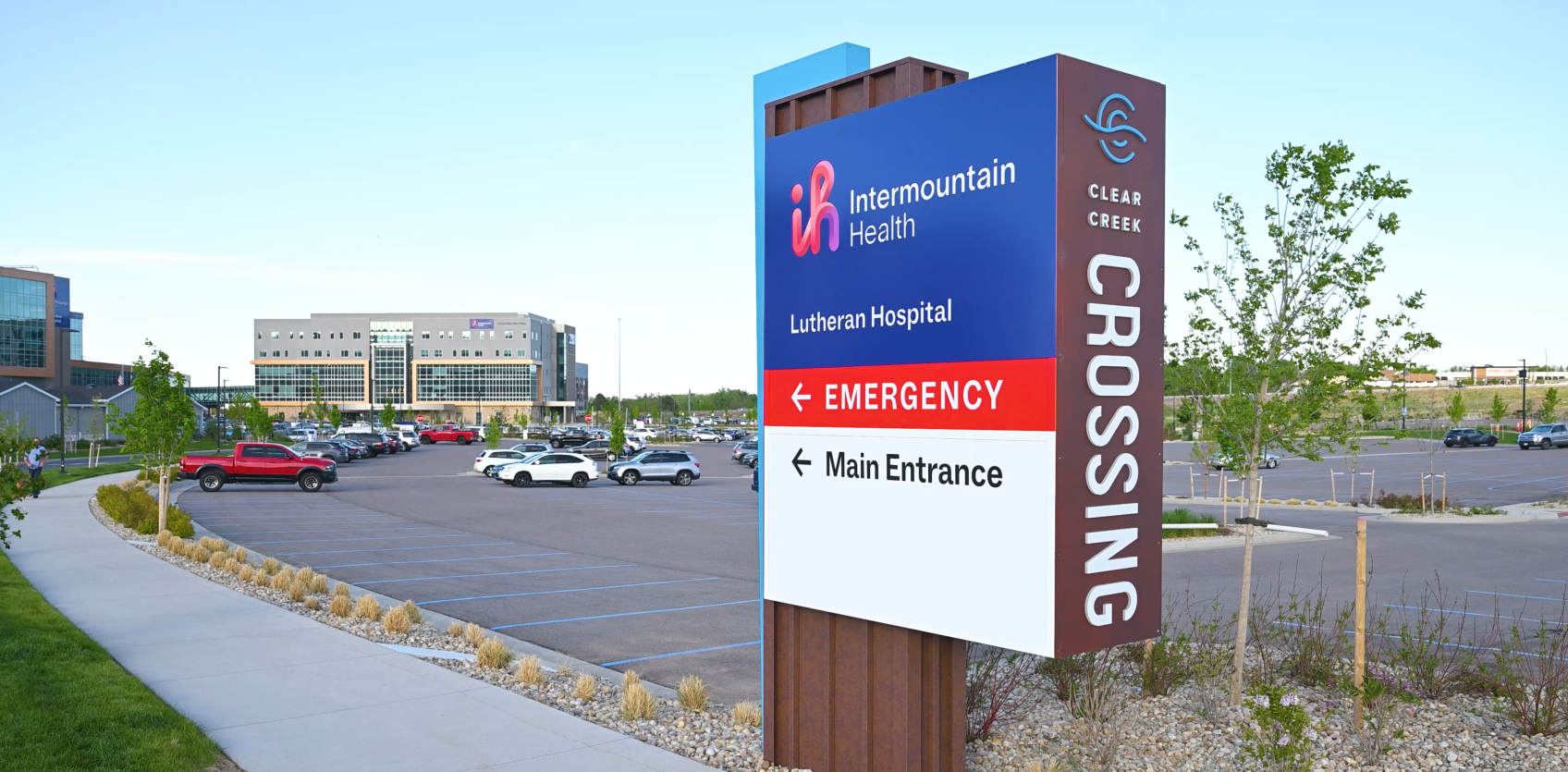
Healthcare facilities represent some of the most complex environments where patient safety, operational efficiency, and regulatory compliance intersect daily. While medical equipment maintenance often takes center stage, the physical brand assets that patients interact with — signage, lighting systems, wayfinding elements, and interior graphics — play an equally critical role in patient experience and safety outcomes.
More than 85% of patients ask for directions when visiting healthcare facilities, and 30% of first-time visitors get lost. When brand assets like directional signage fail or lighting systems dim, these navigation challenges multiply exponentially. The result? Increased patient stress, delayed appointments, and compromised safety, which are all preventable through strategic preventive maintenance for healthcare facilities.
Need Expert Healthcare Facility Support? Connect with our team today to develop comprehensive preventive maintenance solutions that protect your patients and strengthen your operations.
4 Ways Preventive Maintenance for Healthcare Improves the Patient Experience
1. Enhanced Patient Navigation and Reduced Anxiety
Poor wayfinding creates significant stress for patients already dealing with health concerns. Research shows that healthcare staff spend thousands of hours annually giving directions, while patients and visitors collectively lose thousands of hours searching for destinations. A cost estimate from Emory University Hospital found that wayfinding problems cost the institution $220,000 annually.
Preventive maintenance ensures wayfinding signage remains visible, accurate, and functional. Regular inspections identify fading graphics, damaged mounting systems, and burned-out illumination before they impact patient navigation. Well-maintained directional signage, room identification, and digital displays create clear pathways that reduce patient stress and enable healthcare staff to focus on care rather than providing directions.
The psychological impact cannot be understated. When patients can easily find their destinations, anxiety levels decrease, contributing to better overall health outcomes and higher satisfaction scores.
2. Improved Safety Through Strategic Lighting Management
Effective lighting plays a crucial role in improving patient safety by increasing visibility and helping prevent accidents such as falls in hallways and patient rooms. Research from the Barbara Ann Karmanos Cancer Institute found that improved lighting and acoustics contributed to decreased use of pain medication and reduced medication errors.
Preventive maintenance programs ensure critical lighting systems operate at optimal levels. This includes emergency lighting, parking area illumination, and corridor lighting that meets established safety standards. Regular maintenance prevents the gradual dimming that often goes unnoticed but significantly impacts safety and patient comfort.
3. Consistent Brand Trust and Professional Appearance
Healthcare organizations invest significantly in creating environments that inspire confidence and trust. When brand elements appear worn, damaged, or non-functional, they undermine these efforts and can negatively impact patient perceptions of care quality.
Preventive maintenance programs protect these investments through systematic care of exterior signage, interior branding elements, and environmental graphics. Regular cleaning, inspection, and minor repairs maintain the professional appearance that patients expect from healthcare providers.
This consistency becomes particularly important in multi-location healthcare systems where patients may visit different facilities. Uniform maintenance standards ensure every location reflects the same level of quality and professionalism, building systemwide trust and recognition.
4. Operational Efficiency and Cost Control
American hospitals spend approximately $60 billion annually on facility maintenance, making cost optimization crucial for financial sustainability. Preventive maintenance strategies can reduce costs by 12-18% while generating a remarkable 400% return on investment.
For healthcare brand assets, this translates to extending the lifespan of signage systems, reducing emergency repair callouts, and minimizing operational disruptions. Regular maintenance schedules enable facilities to address minor issues during planned downtime rather than during critical operational periods. Healthcare facilities implementing these strategies experience fewer unplanned outages and improved asset reliability, contributing to smoother operations and better patient experiences.
Transform Your Healthcare Operations with Expert Preventive Maintenance
Preventive maintenance for healthcare facilities requires specialized expertise in both facility management and healthcare regulations. The complexity of maintaining diverse brand assets — from exterior signage and wayfinding systems to lighting solutions and interior branding elements — demands partners who understand healthcare’s unique challenges.
At Stratus, we’ve helped healthcare organizations nationwide implement comprehensive maintenance strategies that enhance patient experience while controlling costs. Our approach combines 24/7/365 emergency response with proactive care programs designed specifically for healthcare environments.
Our healthcare expertise includes:
- Strategic permitting and regulatory compliance
- Nationwide field partner network for consistent service
- Advanced program management technology for real-time visibility
- Comprehensive brand maintenance programs tailored to healthcare needs
Ready to enhance patient experience and safety through strategic preventive maintenance? Contact our team today to discover how we can protect your healthcare brand while strengthening patient outcomes.