
What Multi-Location Brands Miss When They Leave Signage Out of the Sustainability Plan
Your sustainability report counts the building. It probably doesn’t count the sign out front.
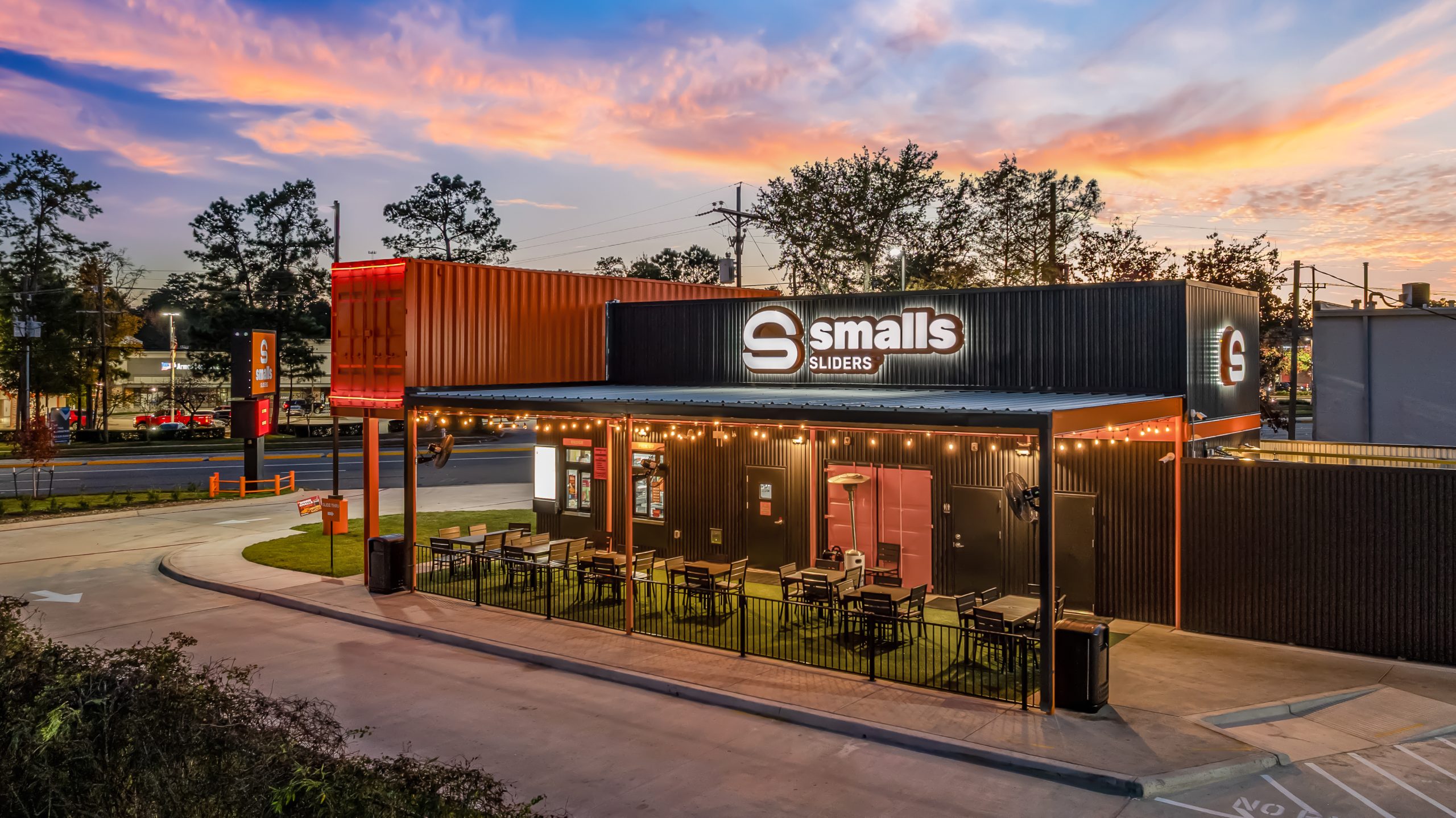
Multi-location brands have gotten precise about measuring energy and waste inside their four walls. Signage tends to sit outside that scope. Pylon signs, channel letters, canopy lighting, and interior graphics get specified by a brand team, fabricated, installed, and then forgotten until something fails or the brand changes. The result is a whole category of assets that draws power every night at every location, gets torn out every few years, and rarely appears in anyone’s reporting.
October is National Energy Awareness Month, which makes it a perfect time to look at the part of your footprint that has been running unexamined.
Want to know what your signage program is actually costing you? Connect with our team.
Lighting Is Not a Rounding Error
According to the U.S. Energy Information Administration, ventilation, lighting, and cooling together account for 49% of all electricity consumed in U.S. commercial buildings, the three largest end uses. Exterior signage and site lighting run on that same meter, often 12 hours a day or longer, at every location you operate.
Materials carry a second cost that never shows up on a utility bill. Every refresh that sends aluminum cabinets, acrylic faces, and steel hardware to a landfill spends embodied energy that was already paid for once. A program counting only kilowatt hours is measuring half the problem.
Start With What the Sign Is Made Of
Sustainable signage begins at specification, well before anyone talks about lumens.
Aluminum is the workhorse substrate in exterior signage, and it is also among the most recyclable materials in the built environment, holding its properties through repeated reprocessing. Specifying recycled content and designing cabinets that come apart cleanly means the next refresh generates scrap that has somewhere to go.
Modular construction matters more than most brand teams expect. A sign built so that faces, retainers, and internal components can be swapped individually survives a rebrand with most of its mass intact. A fully sealed, welded assembly usually does not. That one design decision determines whether your next brand update is a face replacement or a full teardown.
Finishes deserve a second look too. Powder coating releases no solvents during application and holds its color outdoors longer than most wet paint systems, stretching the interval between repaint cycles across hundreds of sites.
In-house manufacturing makes these tradeoffs easier to act on, because material selection and fabrication happen under one roof rather than across three vendors. Stratus builds exterior signage and interior branding programs with those decisions on the table from the first drawing.
LEDs, Including the Second Time Around
Most brands have already converted some portion of their portfolio to LED. The more interesting question is what happens when that first generation of LED sign lighting reaches end of life, which is happening across thousands of sites right now.
There are two reasonable paths, and the right one depends on the condition of what is already mounted. A full LED retrofit makes sense when housings, wiring, or fixtures are failing alongside the lamps. Where the existing infrastructure is sound, a Re-LED approach reuses mounting brackets, lenses, and hardware and replaces only the modules and drivers. Less material leaves the site, less new material arrives, and the labor and disposal lines both come down. Knowing which path a given location calls for is an audit question, not a catalog question.
Design Choices That Decide How Much You Draw
The most efficient watt is the one you never specify. Energy-efficient sustainable signage design is largely a matter of getting the light right the first time.
Photometric analysis models how illumination actually distributes across a site, which prevents the common failure of over-lighting a parking lot to compensate for poor placement. Getting the layout right often reduces fixture count outright.
Lighting controls handle the rest. Occupancy sensors, daylight harvesting, and scheduling keep signage and site lighting from running at full output during hours when nobody is there to read them. Across several hundred locations, the gap between “on all night” and “on when it matters” compounds quickly.
Making It Hold Up, and Making It Count
Two things separate a sustainability initiative from a sustainability line item.
The first is maintenance. A brand maintenance program that catches a failing driver before it takes out a whole module is waste prevention, even though nobody files it that way. Assets that get serviced last longer, and assets that last longer get replaced less often.
The second is documentation. Utility rebates can offset a meaningful share of an efficiency upgrade, but they require records, and ESG reporting requires them at the portfolio level. Energy and lighting programs that track consumption, savings, and rebate capture across every site give you numbers you can put in front of a CFO or a sustainability committee.
Sustainability That Survives the Next Rebrand
Sustainable signage is not a product you buy once. It is a set of decisions made at specification, at installation, at service, and at retirement, repeated across every location you operate. Brands that treat those four moments as one connected program spend less on energy, send less to the landfill, and keep their signage looking the way it was designed to look.
With 4,000+ field partners across 50 states and 24 countries, in-house manufacturing, and decades of experience implementing programs for leading brands, Stratus handles signage as a lifecycle rather than a purchase order.
Ready to build sustainability into your signage program instead of bolting it on later? Contact our team today.