
How to Catch Small Problems Before They Shorten Asset Life
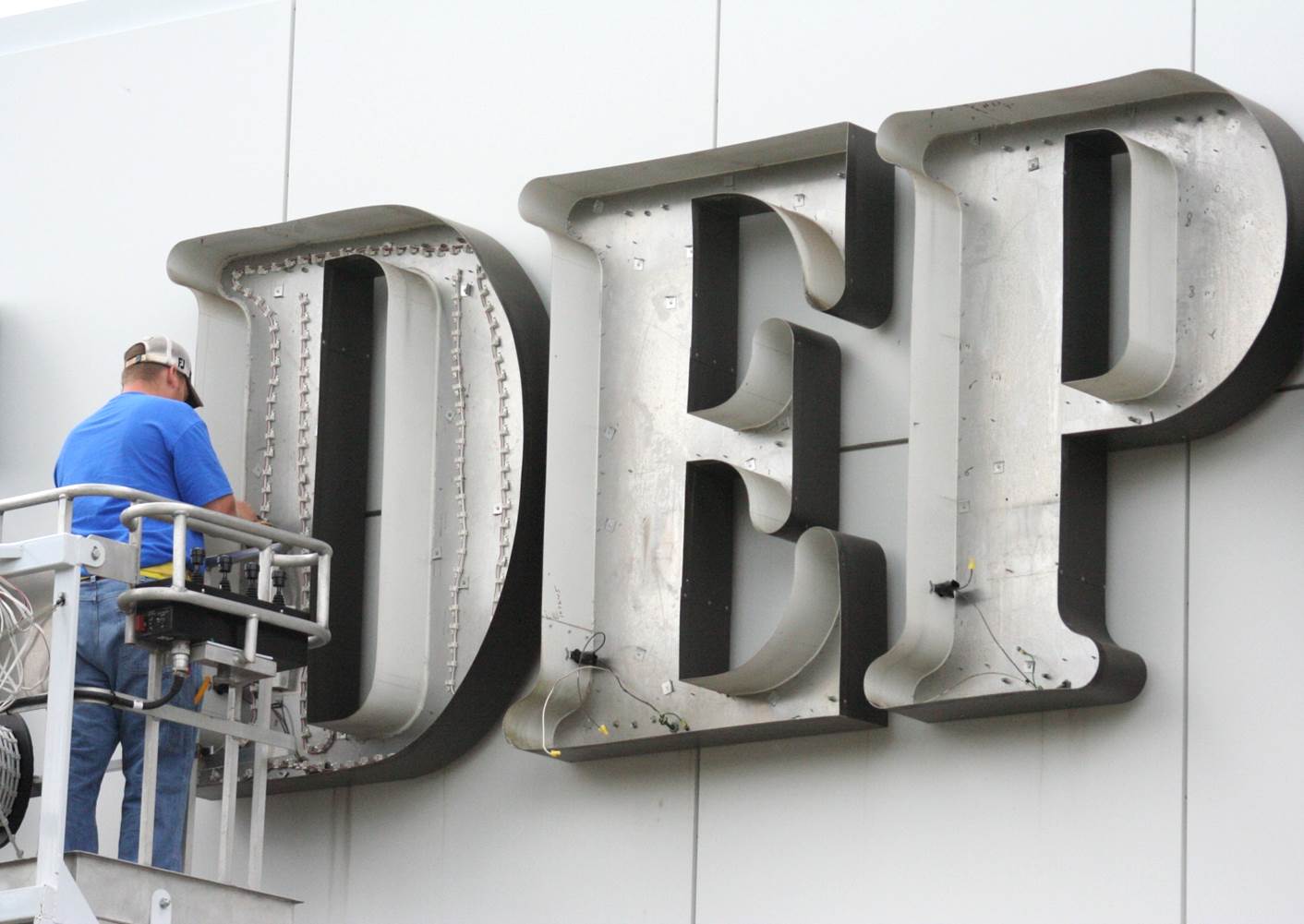
A sign cabinet is built to last for many years. Then, well ahead of schedule, a section goes dark. The service report traces the failure to water that had been seeping past a worn gasket for months, corroding connections nobody was checking. Now, a replacement that wasn’t expected for years lands in this year’s budget.
Most assets don’t wear out on their own timeline. Small, fixable problems compound until they cause a premature failure. A preventive maintenance program interrupts that cycle, catching issues while they’re still inexpensive to correct and extending the useful life of the assets your brand depends on.
Want to know how your locations are holding up? Talk with Stratus about where your assets stand.
Why Assets Fail Before Their Time
Exterior signage, lighting, and displays live in tough conditions. Moisture works its way past seals. Electrical connections loosen with heat cycles and vibration. Power supplies and LED drivers run hot when ventilation gets blocked. Sunlight fades faces and graphics. Fasteners and mounts loosen over time.
None of these problems is dramatic at first, and that’s what makes them expensive. Left alone, a minor issue spreads to nearby components, and a repair that could have taken an hour becomes a replacement. Multi-location brands feel this more than most, because the same failure can repeat across dozens of sites built to the same specifications.
What a Preventive Maintenance Program Does
A preventive maintenance program replaces guesswork with a schedule. Assets are inspected, cleaned, and serviced at set intervals, whether monthly, quarterly, or semiannually, based on their type and environment. Technicians tighten connections, replace worn seals and components, clear debris, and document what they find.
The financial case is well established. The U.S. Department of Energy’s Operations and Maintenance Best Practices Guide estimates that preventive maintenance delivers 12% to 18% cost savings compared with a reactive approach. That estimate covers facility equipment broadly, and signage and lighting follow the same logic: problems found early cost less to fix.
Where Prevention Pays Off, Asset by Asset
Signage
Inspections check illumination, power supplies, faces, seals, and structural mounts. Catching a failing power supply or a compromised seal early protects the entire cabinet.
Lighting
Exterior and canopy lighting depends on healthy drivers, clean fixtures, and secure connections. Our guide to keeping LED canopy lighting performing long-term shows how routine attention preserves light output.
Digital Displays
Screens need clear ventilation, stable power, and current software. Lifecycle management keeps displays performing and plans replacements before they fail in front of customers.
Building Exteriors
Paint, sealants, and storefront elements protect what’s behind them. Addressing wear early keeps moisture and weather away from structural materials. Small cracks and peeling paint are easy to defer, yet they’re often the first sign that water is getting somewhere it shouldn’t.
Night Surveys Catch What Daylight Misses
Many illumination problems are invisible during business hours. A night survey program checks locations after dark, documenting outages, dim sections, and flickering components before customers notice them. Because those findings are documented location by location, repairs can be grouped and scheduled efficiently rather than handled one call at a time.
Turning Inspection Data Into Capital Planning
Every inspection adds to a record of each asset’s condition. Over time, that history shows which assets are aging normally and which are trending toward failure. Facilities teams can then budget replacements in advance, bundle work across locations, and avoid the premium that comes with emergency procurement. Leadership also gets a clearer, data-backed case for maintenance budgets. The same records also give brands the baseline they need if they later add condition-based or predictive approaches.
Building a Program Across Your Portfolio
Consistency matters as much as frequency. A program that runs well in one region and lapses in another leaves assets unevenly protected. Stratus preventative maintenance programs bring customized inspection cycles, night illumination surveys, and detailed reporting to every location, supported by a field partner network that covers all 50 states. When the unexpected happens, on-call services respond quickly, and a strong program keeps those calls less frequent.
For a broader look at how routine upkeep supports your brand, see our overview of the brand benefits of scheduled maintenance.
Protect the Assets You’ve Already Paid For
Every sign, fixture, and display at your locations represents a significant investment. Talk with Stratus about a preventive maintenance program built around your assets, your locations, and your budget.