
What Gets Installed Has to Be Sustained
A signage rollout is complete. New brand elements are up across every location. The project has come in on time, on budget, and on brand. By every measure, the multisite brand implementation was a success.
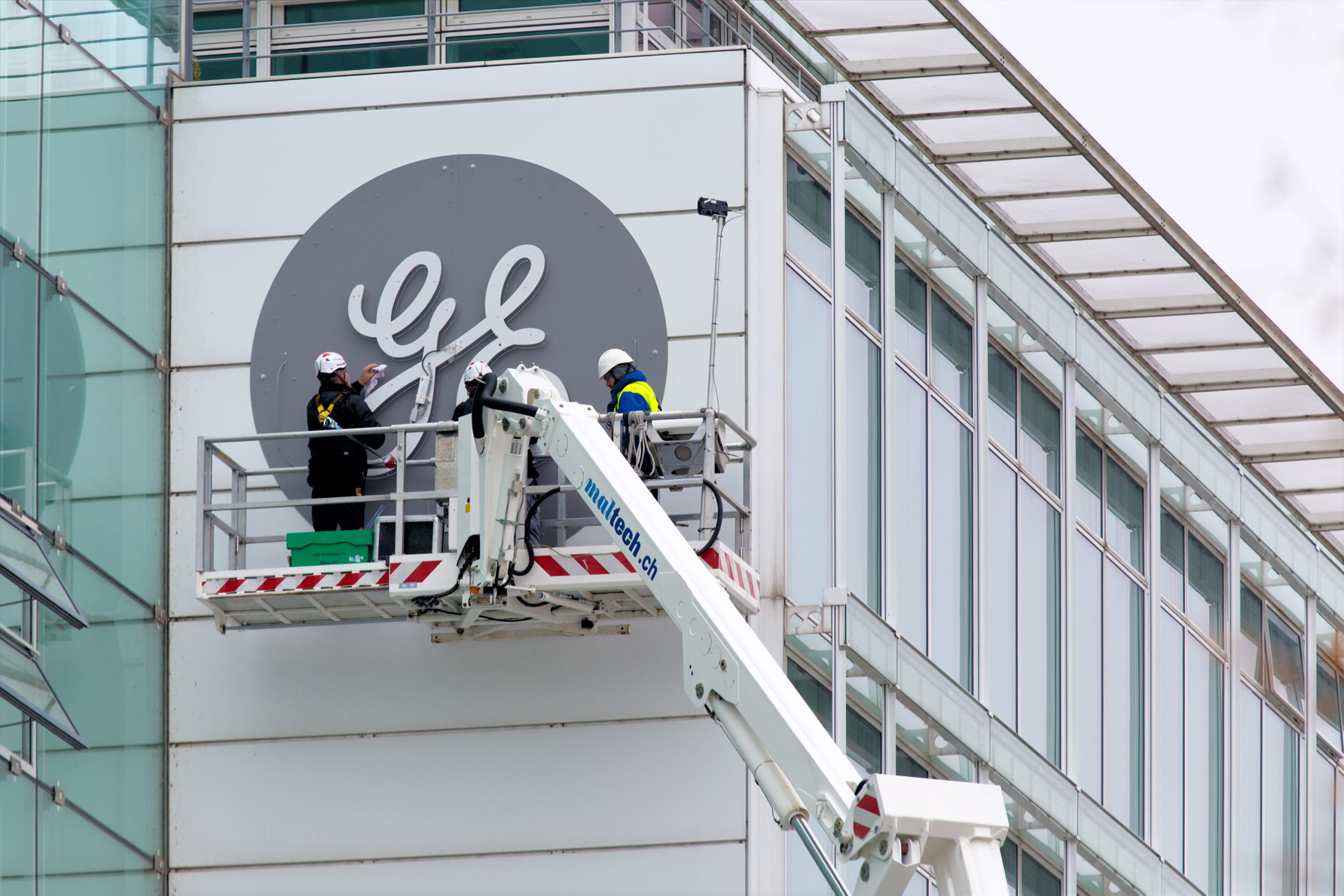
Six months later, a sign is dark at a location in Phoenix. A vinyl graphic is peeling at two stores in the Midwest. A location that missed a service visit looks noticeably different from the rest of the portfolio. Nobody planned for it. Nobody budgeted for it. And now the implementation that went so well is quietly unraveling at the edges.
This is the most common gap in multisite brand implementation: the work that happens after the rollout. Maintenance isn’t a separate track from implementation. It’s the phase that determines whether everything before it was worth the investment.
Ready to build a maintenance program that protects your brand at every location? Connect with our team to get started.
Implementation Doesn’t End at Installation
There’s a natural tendency to think of brand implementation as a project with a start and finish. Scope it, fund it, execute it, close it out. That model works well for a rollout. It doesn’t work for what comes after.
Brand assets age. Exterior signage takes weather. Lighting dims. Vinyl fades. Interior elements in high-traffic locations wear faster than anyone projects. A portfolio that looks cohesive and sharp at launch will drift from that standard without structured upkeep — not because anything went wrong, but because nothing stays the same without attention.
At one location, this is a manageable problem. Across 50, 200, or 500 locations, unmanaged drift becomes a brand consistency issue. The multisite brand implementation work you invested in starts showing cracks that no amount of future rollout spending will fix if maintenance isn’t keeping pace.
The Real Cost of Waiting Until Something Breaks
The reactive approach to maintenance feels like the path of least resistance in practice. You’re addressing issues only when they surface…but it’s also the more expensive one. Emergency repairs cost 2-5x more than planned maintenance, and that premium compounds across a large footprint where unplanned service calls are a recurring reality rather than a rare exception.
The financial cost is only part of it. A dark sign, a damaged storefront, or a worn-out interior element carries a brand cost too. Customers don’t distinguish between “we’re dealing with a maintenance issue” and “this is what this brand looks like.” What they see is what they conclude. At scale, those conclusions accumulate.
On-call maintenance services handle the urgent issues when they arise. But a program built primarily around reactive response is always playing catch-up, and paying premium rates to do it.
Preventative Programs Shift the Economics
The alternative to reactive maintenance isn’t complicated. It’s structured. A preventative maintenance program sets inspection and service cadences appropriate to each asset type and location environment. Issues get identified and resolved before they become visible problems. Service is scheduled, not scrambled.
Companies that shift from reactive to preventative maintenance save 12-18% in overall maintenance costs, a meaningful number across any multi-location portfolio. Beyond the direct savings, there’s the operational benefit of predictability: known schedules, known costs, and a portfolio that holds to its brand standard rather than slowly diverging from it.
The cadence varies by program, whether monthly, quarterly, or semi-annual, but the principle holds regardless of footprint size. Brands with 50 locations benefit from structured maintenance just as much as brands with 5,000. The stakes just get higher as the portfolio grows.
Sustaining Brand Standards at Scale Requires National Infrastructure
A well-designed brand maintenance program is only as good as the network executing it. For multi-location brands, that means consistent service quality across every market. A patchwork of local contractors without standardized processes creates exactly the kind of variability a maintenance program is supposed to prevent.
Stratus’s brand maintenance capabilities are built around the infrastructure required to deliver consistency at scale: 4,000+ certified field partners across all 50 states, 24/7/365 coverage, and program management technology that provides real-time visibility into service status across the entire portfolio.
For example, Stratus has maintained 4,000+ signs across 4,162 Chase locations for over a decade. This is precisely the kind of sustained, repeatable execution that multisite brand implementation programs depend on long after the initial rollout is complete.
The Rollout Is the Beginning
Multisite brand implementation is an investment. What maintenance determines is whether that investment holds its value or gradually erodes. The brands that protect it aren’t the ones that respond fastest when something goes wrong; they’re the ones that built a program to prevent it.
At Stratus, brand maintenance is designed to work as an extension of implementation, not a reaction to its shortcomings. Whatever the footprint, the goal is the same: every location, performing to standard, every day.
Managing brand assets across multiple locations? Talk to our team about building a maintenance program that keeps your implementation protected.